





Q&A with the Management Team

With a sharp focus on curating India’s footwear wardrobe, driving operational excellence, and sustaining profitable growth, MBL is well positioned to create long-term value for all stakeholders.
MBL delivered a resilient financial performance in FY 2024-25, while advancing on key operational and strategic priorities. The year underscored the strength of its premiumisation strategy, disciplined execution, and continued innovation across a balanced portfolio of in-house and global brands. With a sharp focus on curating India’s footwear wardrobe, driving operational excellence, and sustaining profitable growth, MBL is well positioned to create long-term value for all stakeholders.
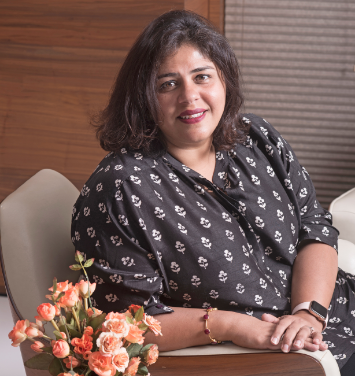
In the following questions, the Company’s leadership team — Ms. Farah Malik Bhanji, Managing Director; Mr. Nissan Joseph, Chief Executive Officer; and Ms. Alisha Rafique Malik, Whole time Director & President share their perspectives on the year in review and outline the opportunities that lie ahead.
Farah Malik Bhanji: This was a year of contrasts. The first half was subdued, shaped by fewer auspicious wedding dates, a temporary slowdown in government expenditure during national elections, and erratic weather patterns that impacted footfalls across regions. The second half, however, saw a recovery, fuelled by robust festive demand, even as the marketplace experienced early discounting by several players.
Against this mixed backdrop, MBL delivered steady performance. Revenue rose 6.4% year-on-year to ₹ 2,507 crores, driven by disciplined expansion. We navigated the added complexity of the Bureau of Indian Standards (BIS) footwear certification rollout with agility, ensuring minimal disruption to our core banners — Metro Shoes, Mochi and Walkway — through proactive supply chain adjustments and accelerated domestic sourcing.
Gross margin stood at 57.7%, ahead of guidance, with in-house brands at multi-brand outlets contributing 74% of revenue. EBITDA grew 8.2% to ₹ 760 crores, with margin improvement to 30.3%. Profit after tax was ₹ 354 crores, lower than the previous year due to one-time tax adjustments related to historical reconciliations in the FILA business.
Building on this foundation, we continued to see strong momentum in premiumisation. Products priced above ₹ 3,000 contributed 54% of store product sales, up from 50% last year. Overall, 88% of sales came from products above ₹ 1,500, underscoring our growing alignment with evolving consumer preferences. This performance reflects our ability to stay focused, adapt quickly and deliver consistently, even in a year shaped by significant external shifts.
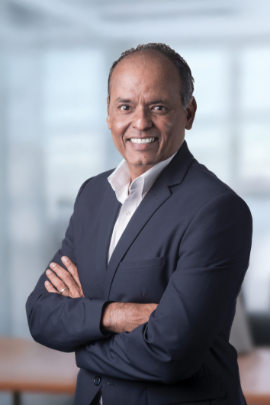
Nissan Joseph: FY 2024-25 witnessed a key milestone with the successful launch of India’s first Foot Locker store. The store offers a globally relevant assortment and a differentiated premium retail experience, aligned with our strategy to serve the next generation of sports and athleisure consumers.
Another standout development during the year was the signing of a long-term distribution agreement with New Era Cap, LLC, bringing this globally recognised headwear brand to India. The addition of New Era not only expands our premium portfolio but also strengthens the sports and athleisure offering within our Foot Locker stores. This strategic partnership reaffirms MBL’s position as a preferred platform for global brands looking to establish a presence in the country. New Era’s products will be distributed through kiosks, brick-and-mortar stores, online channels, and other trade formats.
During the year, the brand was introduced through standalone kiosks in three cities and a dedicated India website.
Nissan Joseph: At MBL, our vision is to bring the finest global brands to India and offer a complete footwear wardrobe that blends comfort, style and quality. Our strategic partnership with Clarks is a meaningful step in that direction. While this development took place in June 2025, just after the close of the financial year, it is worth highlighting.
Under the terms of the agreement, MBL has been appointed as the exclusive retail and digital partner for Clarks in India and select neighbouring markets. Clarks’ heritage and premium positioning in comfort-led footwear (especially women’s range) will complement and enhance our ability to capitalise on the growing casualisation trend.
With our deep understanding of India’s retail landscape and evolving customer preferences, we are confident in our ability to help Clarks grow in a way that is relevant, resonant and retail-focused.
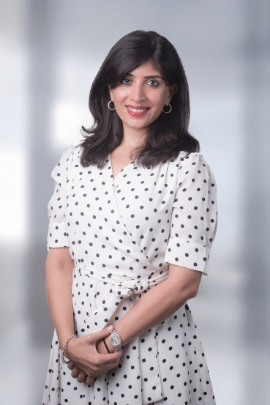
Alisha Rafique Malik: We made meaningful progress in repositioning FILA during the year. A major milestone was the successful completion of a multi-year inventory liquidation exercise, which cleared the path for the brand’s next phase of growth. With that groundwork in place, FILA is now better positioned to rebuild salience, expand its store footprint, and reconnect with India’s fast-growing base of sport-inspired consumers.
The opportunity in this space is significant. With rising interest in active lifestyles, fitness and casual fashion, FILA’s heritage and global appeal offer a strong platform to engage with a new generation of Indian shoppers.
Nissan Joseph: Crossing the 900-store mark was a key milestone for us. As of March 31, 2025, we had a total of 908 stores, with a net addition of 70 during the year. This growth reflects a disciplined approach while pursuing store expansion, with each location selected based on clear revenue and profitability benchmarks.
We pursue store expansion with a disciplined approach, built on three key pillars: firstly, a cluster-based store rollout, where same-format stores are opened within the existing area/city but at a reasonable distance so that it does not cannibalise existing stores; secondly, backfilling, which involves adding another format in the city where we have already seen success; and thirdly, venturing into new cities to broaden our market presence.
When entering a new city, we generally start with our flagship Metro store. Once it establishes itself, we introduce other formats like Crocs, Mochi or Walkway. This step-by-step approach allows us to gauge demographics and understand the city’s dynamics, ensuring the subsequent stores’ success. Our impressive track record of low store closures is a testament to our deep understanding of regional preferences, prudent site selection, and efficient store operations. We remain focused on opening stores that are meaningful and profitable, while our varied store formats give us the flexibility to adapt quickly to opportunities as they arise.

Alisha Rafique Malik: E-commerce continues to be a key growth engine for the Company. In FY 2024–25, online sales grew by approximately 20% and now contribute 10.6% of total revenue. Our strategy remains focused on building this channel profitably, supported by a strong omni-channel model that gives customers seamless access to all products, whether online or in store.
We are also investing in next-generation technologies to stay ahead. From generative AI to robotic process automation, these tools are helping us enhance customer experience, improve efficiency and future-proof the business as digital becomes increasingly central to retail.
Alisha Rafique Malik: The shift towards active lifestyles is creating strong tailwinds for sportswear and athleisure in India. We’re seeing growing interest across a young, fitness-conscious population that actively participates in sports, wellness and outdoor activities. At the same time, changing workplace norms and the casualisation of dress codes are making athleisure more mainstream. It’s no longer confined to the gym or the cricket ground; it has become part of everyday fashion.
For younger consumers, especially Gen Z, smart casual is now the default. The rise of hybrid work and the ease of access through digital platforms have also boosted demand. These shifts are making India one of the most exciting growth markets for athleisure globally, and MBL is well placed to serve this evolving need through our sports and athleisure portfolio, digital presence and retail reach.
Farah Malik Bhanji: We made meaningful strides on the sustainability front. Our flagship footwear recycling initiative gained real momentum, with 4,364 tonnes of discarded footwear processed during the year — nearly double the volume from the previous year. Most notably, we achieved our ambitious goal of recycling one pair for every pair sold, ahead of schedule.
This milestone reflects both operational commitment and a broader shift towards circularity in how we think about product life cycles. It is a strong step forward in embedding sustainability more deeply into our business, and we remain focused on building further on this foundation in the years ahead.
Farah Malik Bhanji: India continues to establish itself as one of the world’s most dynamic consumption markets. Rising household incomes, a young and digitally connected population, and growing brand consciousness are all driving structural growth in discretionary categories. As per capita incomes increase, we expect India to follow global consumption patterns where discretionary spending begins to outpace essentials — a trend observed in markets such as the US and China. Recent tax cuts and broader economic tailwinds are also expected to boost demand further.
MBL is well placed to capitalise on these opportunities. Our confidence stems from a balanced portfolio of in-house and global brands, a loyal customer base, strong retail capabilities and a skilled management team. We have the people, capital, and deep customer knowledge across regions to drive store expansion. Our focus remains on delivering consistent, profitable growth across all banners, while continuing to strengthen our leadership in a sector with strong long-term potential.

